
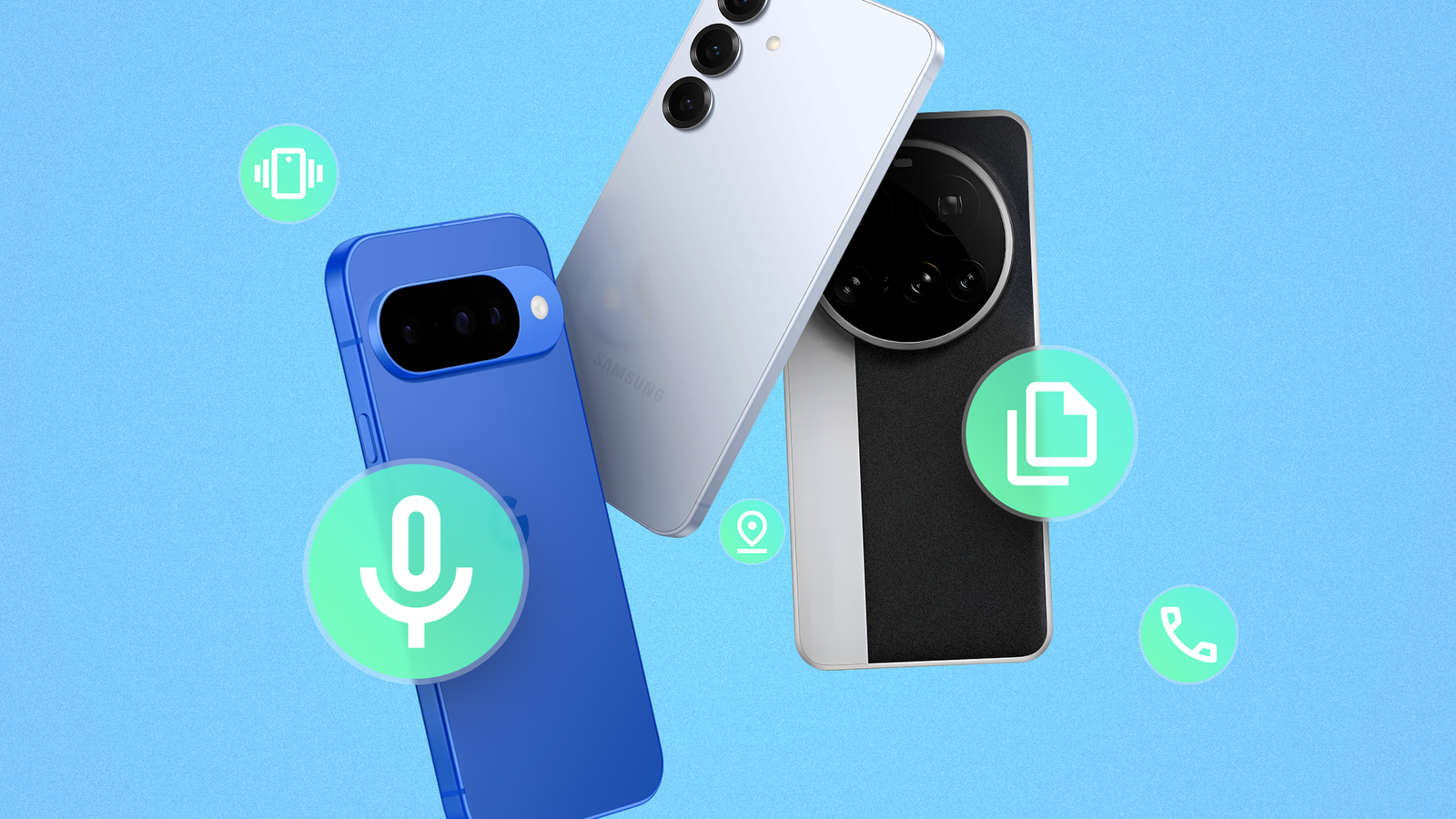
The modern smartphone is no longer a mere communication device; it is a sophisticated computational hub that manages our digital identities, health, finances, and creative output. With each annual release cycle, manufacturers introduce a glossary of terms that can feel overwhelming. However, beneath the marketing jargon lies a set of core technologies that fundamentally alter how you interact with your device. This guide dissects the essential features that matter for performance, longevity, and daily utility, ensuring you make an informed decision on your next upgrade.
1. Display Technology: Beyond Resolution
While 4K resolution is still reserved for premium flagships, the true differentiator in 2024 and beyond is refresh rate and peak brightness. A standard 60Hz panel refreshes the image 60 times per second. A 120Hz or 144Hz panel doubles or triples that rate, resulting in buttery-smooth scrolling and significantly reduced motion blur in fast-paced gaming. This is not a luxury; it is a physiological comfort feature that reduces eye strain during prolonged reading.
Adaptive Refresh Rate and LTPO
Merely having a high refresh rate is inefficient. LTPO (Low-Temperature Polycrystalline Oxide) technology allows the display to dynamically switch between 1Hz (for a static always-on clock) and 120Hz (for scrolling). This intelligent scaling is the primary reason modern flagships can maintain all-day battery life despite large, bright screens. Look for “adaptive” or “dynamic” refresh rate in the specifications, not just a fixed maximum number.
2. The Computational Photography Trinity
Megapixels are dead. The war is now won by software and sensor physics. Three features define a camera system’s capability:
- Sensor Size (1-inch type sensors): A larger physical sensor captures more light per pixel. This translates to superior low-light performance with less noise, without requiring aggressive noise reduction that smears details.
- Computational HDR: This feature merges multiple exposures in real-time. The key metric is not just dynamic range, but zero shutter lag—the ability to capture a perfectly exposed image of a moving subject without a visible delay.
- Periscope Telephoto: To achieve 5x, 10x, or even 100x optical zoom without making the phone thick, manufacturers use a prism to bend light 90 degrees. This allows for a longer focal length inside a thin chassis. Be wary of “100x Space Zoom”; anything beyond 10x is heavily reliant on AI upscaling.
Pixel Binning Simplified
When a phone advertises a “200MP sensor,” it rarely shoots at that resolution. It uses a process called pixel binning, where four or sixteen adjacent pixels combine into a single, larger “super-pixel.” For instance, a 200MP sensor with 16-to-1 binning produces a sharp 12.5MP image with exceptional light-gathering capability. This is why high-megapixel sensors often outperform lower-megapixel ones in the dark.
3. Charging and Battery Health Management
Wireless charging is convenient, but the real intelligence lies in charging profiles. Look for phones that offer a hardware toggle for “Battery Protection” or “Optimized Charging.” This feature stops charging at 80% and resumes to 100% only when your alarm is about to ring. This prevents the battery from sitting at full voltage for hours, which is the primary chemical stressor that degrades lithium-ion cells.
| Standard | 15 | 5 | 45 min |
| Fast | 45 | 15 | 20 min |
| Ultra-Fast | 120 | 50 | 8 min |
Caution: Ultra-fast charging (above 100W) generates significant heat. A robust vapor chamber cooling system is non-negotiable if you opt for this tier, as heat is the silent killer of battery longevity.
4. Connectivity: The Silent Infrastructure
5G is ubiquitous, but the new differentiator is Wi-Fi 7 and Ultra-Wideband (UWB). Wi-Fi 7 offers theoretical speeds exceeding 4.8 Gbps and, more importantly, deterministic latency—crucial for cloud gaming and AR experiences. UWB, on the other hand, allows your phone to act as a digital key for your car or smart lock, with precision positioning accurate to centimeters. This is not a gimmick; it enables “hands-free” unlocking without pulling the phone out of your pocket.
eSIM and Dual SIM Management
Modern flagships now support dual active eSIMs, allowing you to maintain two separate phone numbers without a physical nano-SIM tray. The intelligent feature here is dual-SIM active (DSDA), which enables both lines to remain active for calls and data simultaneously. This is vital for frequent travelers who need a local data plan while keeping their home number active for banking OTPs.
5. AI on-Device Processing (NPU)
The Neural Processing Unit (NPU) is a dedicated chip that handles machine learning tasks locally without uploading data to the cloud. This powers three practical features:
6. Build Materials and IP Ratings
Beyond aesthetics, the frame material matters for heat dissipation and durability. Titanium is the current premium standard—it is lighter than aluminum and stronger than stainless steel. However, the most critical spec to verify is the IP68 rating, which guarantees dust-tightness and submersion in up to 1.5 meters of fresh water for 30 minutes. Note: IP ratings are for fresh water, not salt water or chlorinated pools, and they degrade with wear and tear.
Conclusion
When evaluating your next smartphone, ignore the wallpaper and the marketing slogans. Prioritize adaptive refresh rates for comfort, sensor size for photography, wired charging speed with battery protection, and on-device AI for privacy and responsiveness. These features define the actual user experience far more than a synthetic benchmark score or a camera megapixel count. A truly great smartphone is one that becomes invisible, anticipating your needs before you articulate them—and these core technologies are the foundation of that seamless interaction.